
What We Look For in Mentors, Trainers, and Volunteers (and Why It Matters)
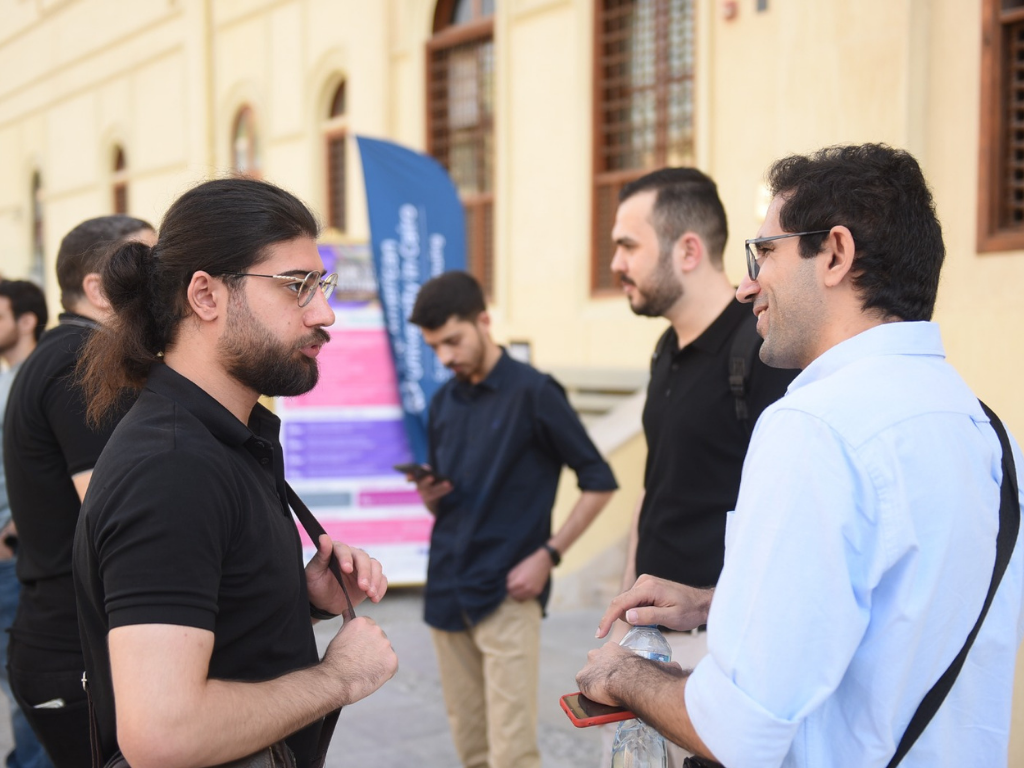
People often ask us: “Am I qualified to support Wasla Connect?”
The short answer is: if you care, can show up reliably, and can support someone with respect, there is probably a role for you.
Wasla Connect supports displaced Palestinian talent through long-term opportunity building. Our work is grounded in three pillars: (1) mentorship and trusted guidance, (2) practical career readiness, and (3) community and access to networks. We deliver this through three ways people can join: Mentors support participants through structured 1:1 sessions, Trainers run practical workshops or office hours on specific skills, and Volunteers strengthen the program behind the scenes through coordination, resources, communications, and community support.
This post explains what we look for in each pathway, and why these qualities matter more than prestige or perfect expertise.
The qualities that matter in every role
Across mentoring, training, and volunteering, the same foundation makes the difference:
1) Reliability
Consistency is not a nice-to-have. It is the intervention.
When someone is living through instability, what helps most is not a single “amazing” moment. It is knowing someone will show up again next week.
2) Practicality
We value support that leads to real progress:
a stronger CV
a clearer portfolio
a better interview answer
a realistic job search plan
a template that can be reused
a next step that is doable
3) Respect and dignity
We avoid pity. We focus on agency. That means:
no pressure or guilt
no “savior” framing
no sharing personal stories without consent
no collecting sensitive details unless truly needed
4) Clear boundaries
Good support is sustainable support. We prefer people who can say:
“This is what I can do, and this is what I cannot do.”
That clarity builds trust.
If you want to become a mentor
Mentors work 1:1 with a mentee and support steady progress over time.

We look for mentors who:
can commit consistently, even if it is just a small amount of time
listen well and ask good questions
give kind, specific feedback
help mentees set goals and stay accountable
are comfortable saying “I do not know, let’s find out together”
You do not need to:
guarantee a job
be available all the time
have the perfect answer every session
carry the emotional weight of the situation
Mentorship is guidance, structure, and momentum.
If you want to join as a trainer
Trainers contribute through focused sessions, office hours, or short series.

We look for trainers who:
teach from real examples, not theory only
keep sessions practical and structured
share templates, checklists, or sample work
make space for questions and application
design for different levels in the room
Topics that create fast value include:
CV and LinkedIn optimization
portfolio building and project storytelling
interview preparation
data analytics case studies and dashboards
software engineering practices (Git, testing, code review)
professional communication and networking
A strong training helps people do better work the next day, not someday.
If you want to volunteer with us
Volunteers make the program smoother and more scalable.

We look for volunteers who:
are organized and proactive
communicate clearly and follow through
enjoy supporting systems and people
care about safeguarding and privacy
can work with a light structure and help improve it
Volunteer contributions can include:
onboarding and follow-up support
scheduling coordination
editing resources and templates
events and community support
impact tracking and reporting support
content support for blogs, newsletters, and social posts
Behind the scenes work is what turns a mentorship program into a reliable engine.
Why we are intentional about these qualities
Because this work involves real people with real constraints.
A program that is consistent, respectful, and practical protects participants and protects contributors too. It creates a healthy experience for everyone involved, and it is how long-term opportunity becomes possible.
Call to action
If you want to contribute to long-term opportunity for displaced Palestinians, you can join in the way that fits you best:
If you share the exact time commitment you want to advertise for mentors and trainers, I can tailor the “requirements” section so it matches your real program and feels even clearer.
